
Chiropractic has an unusual problem: the thing it is most famous for — the quick twist and the loud crack — is one method among several, and it is not the right one for a great many of the people who walk in. Plenty of our patients are never manipulated at all and do perfectly well.
So this page lists what actually gets used here and what each one is for. The choice is made after the examination, on the basis of your bones, your joints, your medication and what you are comfortable with — not by habit and not because a particular method is what this clinic does.
The eight methods
In rough order from most to least force. The last one is the one that does the most work.
Hands-on adjustment
The classic technique: a short, quick, shallow push through a joint at the end of its normal range. It is what makes the popping sound, it takes a fraction of a second, and it is over before most people register that it started. It is not the only thing we do and it is not right for everybody.
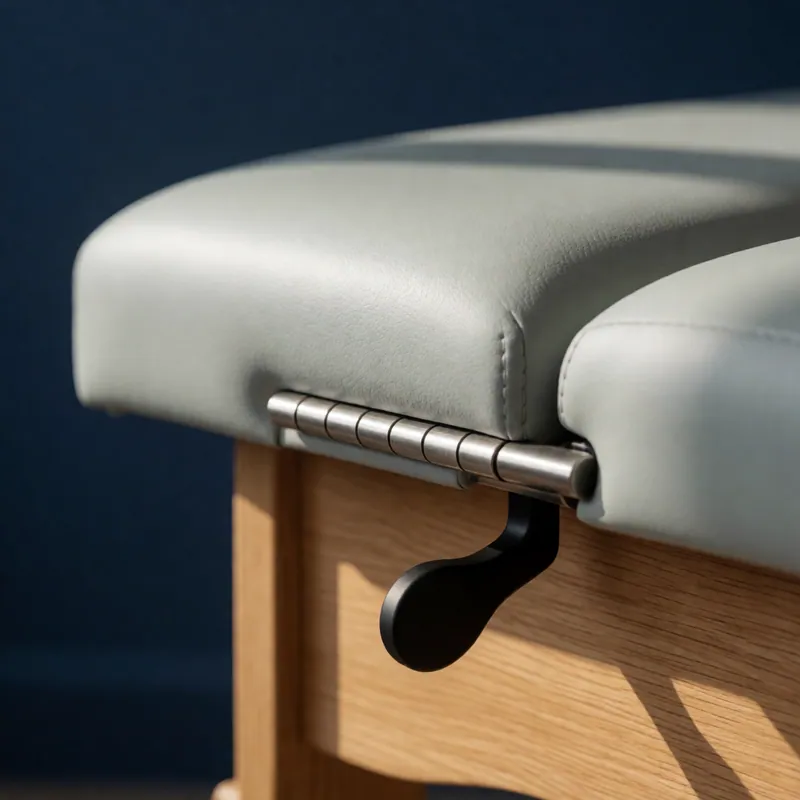
Drop-piece table
The table does part of the work. A section under you is cocked and drops a short distance as pressure is applied, so the joint gets the movement with far less force from the chiropractor's hands. Useful for bigger patients, painful joints, and anybody who does not want to be twisted.
Instrument-assisted adjusting
A small spring-loaded hand instrument delivers a single measured tap to one spot. There is no twisting and no popping. It is the default for most of Dr. Halloran's patients, for people with thinning bone, and for anyone who is nervous.
Mobilisation
Slow, rhythmic movement of a joint through its range without any quick thrust at the end. Less dramatic, gentler, and for a lot of stiff and painful joints it is the more sensible option.
Flexion-distraction
A table that gently opens and closes the lower back while the chiropractor works with one hand. It is slow, it is comfortable, and it is often the first thing tried for disc-related low back and leg pain.
Soft tissue work
Hands, thumbs, elbows and sometimes a blunt tool applied to muscle and the tissue around it. This is where a lot of the relief in a stiff neck or a locked-up back actually comes from, and it is frequently more useful than the adjustment it accompanies.
Traction and decompression
A motorised table applies slow lengthening along the spine. Suits some disc problems, does nothing for others, and we will tell you which we think you are before you buy a course of it — which, since we do not sell courses, you cannot do here anyway.
Exercise
The least glamorous item on the list and the one that carries the most weight. Two or three specific things, written down, ten minutes a day, reviewed and changed as you improve.
The sound
What the pop actually is
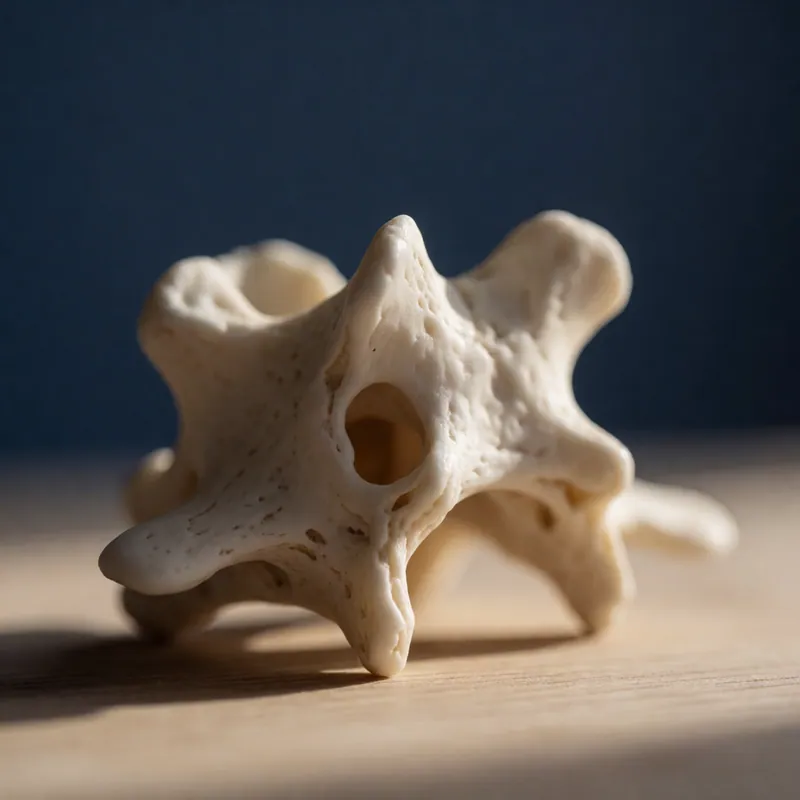
When the two surfaces of a joint separate quickly, the pressure in the fluid inside drops and a bubble of gas forms. That is the noise. It is the same physics as cracking a knuckle.
It is not a bone going back into place, because nothing was out of place in the way that phrase implies. It is not a vertebra being reset. And its volume tells you nothing whatsoever about whether the treatment worked — a joint that pops loudly can be no better an hour later, and several of the most useful things in this building make no sound at all.
We mention this on more than one page because it is the single most common misunderstanding about what we do, and because it is used to sell treatment. If a clinic implies the noise is the point, or counts them for you, that tells you something.
The risks, plainly. Adjustment is generally safe and the common side effects are mild — soreness like the day after unfamiliar exercise, a little stiffness, sometimes tiredness, usually gone within a day or two. Serious complications are rare, but they are not zero, and the one people ask about is neck manipulation. We screen for the things that make it a bad idea, we will tell you when we think the neck should be left alone, and we can treat a neck without high-velocity manipulation if you would rather we did. Ask for that and you will get it without an argument.
We do not claim anyone else's approval. Chiropractic is a licensed health profession in New York State, and every chiropractor is registered with the State before they may practise. What we will not do is decorate this website with the name of a board, a college or an association as though somebody else vouches for us — nobody outside this clinic has reviewed it. So instead of showing you a badge, these pages tell you plainly who will see you, what they will do, what they will not do, what it costs, and what the risks are. Ask us about any of it before you book.
Questions
Techniques — the questions we are asked most
Which technique will you use on me?
Whichever suits your body, your problem and your preference, decided after the examination rather than by habit. Some chiropractors use one technique on everybody; we would rather match the method to the person. If you have a strong preference — for or against a particular approach — say so at the start of the appointment and it goes in your notes.
Is a technique that makes no sound less effective?
No. The popping sound is a gas bubble forming in joint fluid, it tells you nothing about whether the treatment worked, and several of the most useful methods here make no noise whatsoever. Instrument adjusting, mobilisation and soft-tissue work are all silent. If a clinic implies the sound is the point, they are selling theatre.
Can I ask for a specific technique?
Yes. Patients regularly ask for the instrument rather than hands, or for no thrust at all, and that is an entirely reasonable request that needs no justification. The only time we will say no is when the technique you have asked for is not appropriate for your particular problem, and in that case you will be told why rather than simply refused.
Why do you not use one technique for everything?
Because people are not the same. A twenty-five-year-old with a locked-up mid-back, a pregnant patient at thirty-four weeks and an eighty-year-old with thinning bone need different force, different positions and different methods, and a clinic that applies the same protocol to all three is running a system rather than treating patients.
Do you use any machines?
A motorised traction table and, in the soft-tissue room, occasionally a blunt hand tool. That is the extent of it. We are deliberately sparing about equipment because it is easy to make a treatment feel more substantial by adding devices to it, and most of what actually changes outcomes is hands, explanation and exercise.
What if I do not like what you did?
Tell us and we will do something else. That is not an awkward conversation and it will not be treated as one. A technique that leaves somebody tense or apprehensive is not going to work well anyway, quite apart from the fact that you are entitled to decline any part of any treatment at any point without giving a reason.
Chiropractic care is not a substitute for medical diagnosis. Chiropractic care is not a substitute for medical diagnosis, and nothing on this website is medical advice for your particular problem. We are not physicians: we do not prescribe medication, we do not perform surgery, and we do not treat disease. What we do is examine how your spine and joints move, work on them by hand, and give you something to do between visits. If your problem turns out to be outside that, we say so and refer you — which happens often enough that you should expect it as a normal outcome rather than a failure.
A fee agreed before the visit, not after it
Book an appointment
Pick a chiropractor and an hour from the calendar — it shows only the times each of them genuinely has free. A first visit is a full hour and costs $95 for the examination on its own, or $145 if we treat you at the same appointment. You decide which after the examination, not before.