Some back and neck pain needs a doctor today, not a chiropractor. Some back and neck pain is not a case for a chiropractor and needs a doctor the same day. Go to an emergency room, not to us, if you have numbness in the groin or inner thighs, if you have lost control of your bladder or bowels, if a leg is becoming weak rather than just painful, if the pain followed a serious fall or a car crash, if you have a fever with back pain, if you have unexplained weight loss alongside it, if you have a history of cancer, or if a headache came on suddenly and is the worst you have ever had. We would rather you rang your doctor and never rang us at all.
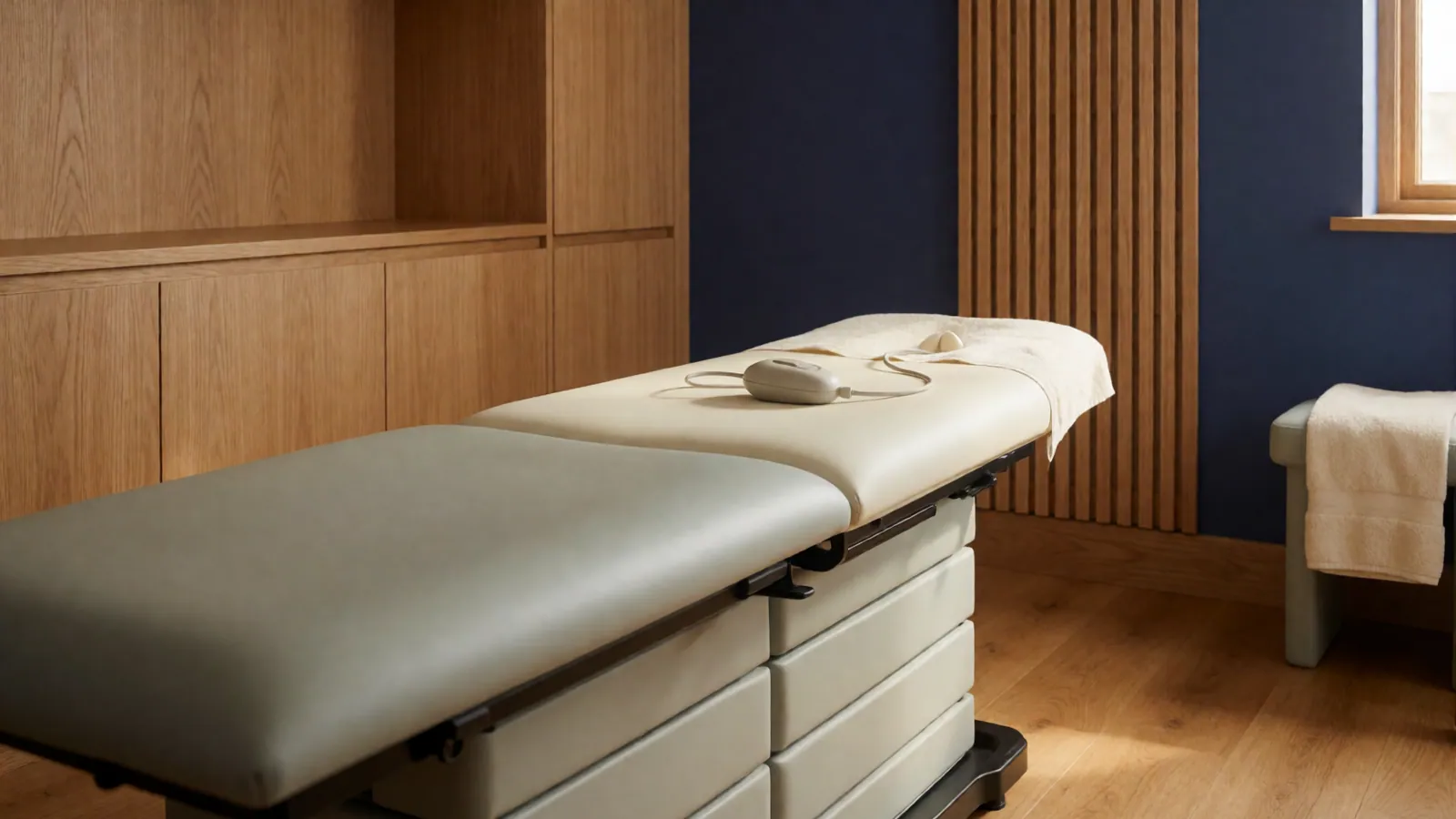
Spinal decompression is a motorised table that applies slow, controlled, cyclical lengthening along the spine — pulling gently, holding, easing off, repeating. You are strapped comfortably at the pelvis and the chest, it runs for fifteen to twenty minutes, and most people find it pleasant and quite a lot of people find it boring. The theory is that reducing pressure within the disc reduces the irritation of a nearby nerve root.
It is also, without much competition, the most oversold thing in chiropractic. It is frequently marketed with a new-sounding name, dramatic claims about repairing discs, and — the real problem — sold as a prepaid package of twenty or thirty sessions costing several thousand dollars, paid upfront. That structure is the tell. Anything that has to be bought in advance in bulk is being sold on commitment rather than on results, and by the time it is not working you have already paid.
So here is our position. We have a traction table, we think it is a reasonable thing to try for some disc-related back and leg pain, the evidence for it is genuinely mixed rather than strong, and we charge for it one session at a time like everything else. If it is helping you will know within a few sessions; if it is not, we stop. Nobody here will ask you to sign anything.

What it is and is not
Stated carefully, because the marketing around this is unusually loud.
It is motorised traction
Traction has been used for spinal problems for a very long time. The modern versions apply the force in a computer-controlled cyclical pattern rather than as a steady pull, which is a genuine refinement. Presenting it as an entirely new category of treatment is marketing rather than medicine, and the prices attached to that presentation reflect it.
It does not repair a disc
There is no good evidence that traction repairs disc tissue, and claims about discs being sucked back into place are not supportable. Any benefit is far more likely to come from reduced irritation and reduced pressure during and after the session. That is worth having; it is not the same as repair, and we will not describe it as such.
The evidence is mixed
Honestly: studies of traction for low back pain and sciatica have produced inconsistent results, some positive and some showing little benefit over other treatments. It is not a strongly evidenced intervention. It is a reasonable option to try for the right presentation, and that is a materially different claim from the one usually made for it.
It suits some people
The presentation most likely to respond is disc-related low back pain with leg symptoms, particularly where symptoms ease with positions that unload the spine. It is not indicated for everybody with a sore back, and it is contraindicated in a range of conditions we screen for. The examination decides this.
What a session involves
Practical, and duller than the marketing suggests.
Fifteen to twenty minutes
You lie on the table fully clothed, with a padded harness at the pelvis and a support across the chest. The table applies a slow pull, holds it, releases, and repeats in a cycle. There is a handset you can press at any time to stop it immediately, and you are told where it is before anything starts.
It should be comfortable
Mild stretching, sometimes pleasant, occasionally slightly odd for the first minute. It should not hurt, and it should not reproduce your leg pain. If it does either, stop it — that is what the handset is for, and it means the settings or the indication are wrong rather than that you should persevere.
Alongside other things
We do not use traction as a standalone treatment. It sits alongside hands-on work, movement, and the exercise programme, because on its own it is a passive intervention and passive interventions do not build anything. Any clinic offering traction alone as a complete plan is offering a partial one.
A short trial, then a decision
If it is going to help, there is usually some indication within four to six sessions. We agree that as a trial at the outset and we look at it honestly at the end rather than continuing by default. If it has done nothing, we stop and put the money and the time into something that might.
Who should not have it
The screening list. This is part of the examination rather than a form you tick.
Fractures and bone problems
Any suspected or known fracture, significant osteoporosis, bone tumours, or spinal infection. Traction applies real force through the spine and none of these tolerate it. This is one of the things the medical history at the first visit is for, and it is why we ask about medication that affects bone.
After certain surgery
Spinal fusion, instrumentation, and some other spinal surgery rule it out or require clearance from your surgeon first. Tell us about any spinal surgery you have had, however long ago, and bring the details if you have them. We will contact your surgeon rather than guess.
Pregnancy
Not used during pregnancy. There are perfectly good alternatives for pregnancy-related back and pelvic pain and Dr. Bautista sees most of those patients. The prenatal chiropractic page sets them out.
Progressive neurological signs
Weakness that is worsening, numbness that is spreading, or any bladder or bowel change means the problem needs urgent assessment rather than a course of traction. That is a same-day referral. Nothing on this page applies to somebody with those symptoms.
Spinal Decompression in western Queens
A motorised table that applies slow lengthening through the spine. It suits some disc-related problems well and does very little for others — and we will tell you which we think you are.
Every course of care here starts the same way: a full hour, a proper history, an examination, and then a plain statement of what we think is going on and how confident we are about it. You are told what we propose, roughly how many visits it ought to take and what should have changed by when — and we agree a date to stop and look at whether it worked. If the honest answer at any point is that this needs somebody else, you get that instead, and we write to them the same week.
Chiropractic care is not a substitute for medical diagnosis. Chiropractic care is not a substitute for medical diagnosis, and nothing on this website is medical advice for your particular problem. We are not physicians: we do not prescribe medication, we do not perform surgery, and we do not treat disease. What we do is examine how your spine and joints move, work on them by hand, and give you something to do between visits. If your problem turns out to be outside that, we say so and refer you — which happens often enough that you should expect it as a normal outcome rather than a failure.
What chiropractic does not treat. We treat musculoskeletal problems: the spine, the joints, the muscles and the nerves that are irritated by them. We do not claim that adjusting a spine treats asthma, allergies, ear infections, colic, digestive disease, high blood pressure, infertility, immune function or any other internal illness. Chiropractors who make those claims are making them without good evidence, and you should be wary of anybody who does. If somebody has told you that spinal care will fix a condition on that list, we will tell you honestly that it will not.
Questions
Spinal Decompression — the questions we are asked most
Is spinal decompression the same as traction?
Essentially yes. Modern decompression tables apply the force in a computer-controlled cyclical pattern rather than as a steady pull, which is a real refinement, but the underlying principle is traction and it has been used for a very long time. Presenting it as a wholly new category of treatment is marketing, and the prices attached to that presentation are the reason the marketing exists.
Why do other clinics sell it as a package of twenty sessions?
Because selling it in advance transfers the risk to you. If a course is prepaid, the clinic is paid whether or not it works, and by the time you know it has not worked the money is gone. We charge one session at a time, agree a short trial of four to six, and look honestly at whether it helped. If a clinic asks you to pay several thousand dollars upfront, that is worth thinking about carefully.
Does it put my disc back?
No. There is no good evidence that traction repairs disc tissue or draws displaced material back into place, and claims to that effect are not supportable. Whatever benefit occurs is much more likely to come from reduced pressure and reduced nerve irritation during and after the session. That can be genuinely useful. It is not repair and we will not call it that.
How many sessions will I need?
We agree a trial of four to six and then decide honestly. If it is going to help, there is usually some sign within that. If nothing has changed, we stop rather than continue — and we would rather put your time and money into the loading programme, which builds something that lasts, than into more passive treatment that has already shown it is not working for you.
Does it hurt?
It should not. Most people find it mildly stretching and quite boring, and some fall asleep. What it should not do is hurt or reproduce your leg pain. You are given a handset at the start that stops the table immediately, and if you need to use it that tells us the settings or the indication were wrong, not that you should try harder next time.
Can I have it if I have had back surgery?
Not without checking first. Spinal fusion and instrumentation rule it out or need clearance from your surgeon, and there are other surgical histories where the answer depends on what exactly was done. Tell us about any spinal surgery however long ago it was and bring whatever paperwork you have. We would rather write to your surgeon than make an assumption.
Related
Often seen alongside this
Hands-On Therapies
Soft Tissue Therapy
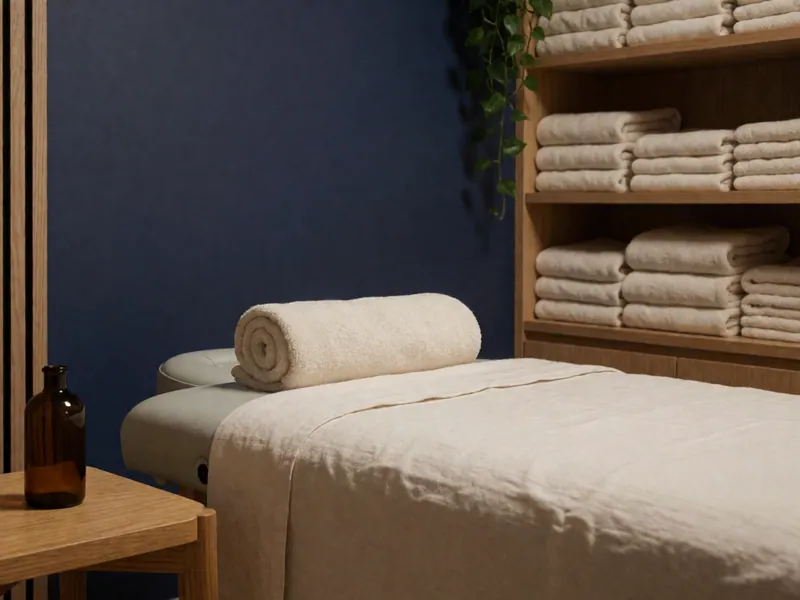
Hands, thumbs and elbows applied to muscle and the tissue around it. For a lot of stiff necks and locked-up backs this is where most of the relief actually comes from.
Read more
Hands-On Therapies
Therapeutic Massage
An hour in a quiet room with the lights down. Genuinely useful for muscular pain, sleep and stress, and honestly described rather than sold as something it is not.
Read more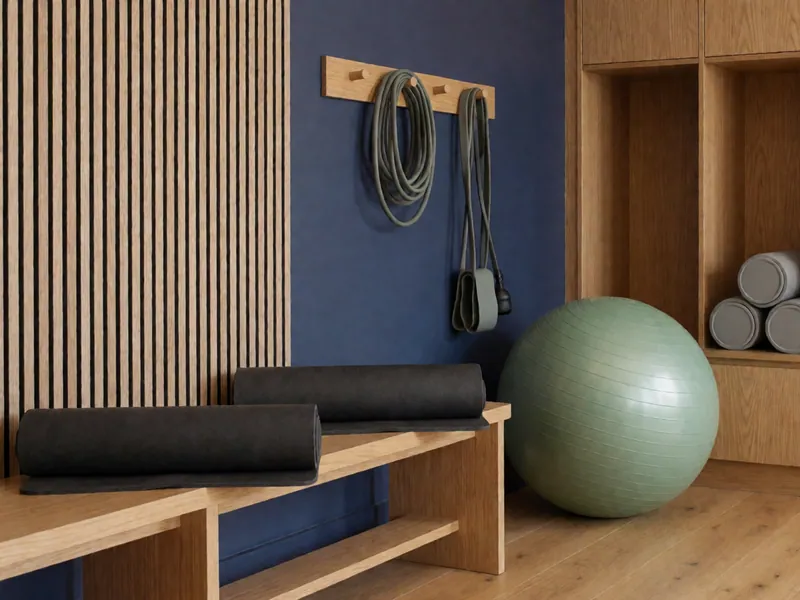
Hands-On Therapies
Rehab Exercise
The least glamorous thing we do and the one that carries the most weight. Two or three specific things, written down, ten minutes a day, reviewed and progressed.
Read moreA fee agreed before the visit, not after it
Book an appointment
Pick a chiropractor and an hour from the calendar — it shows only the times each of them genuinely has free. A first visit is a full hour and costs $95 for the examination on its own, or $145 if we treat you at the same appointment. You decide which after the examination, not before.